
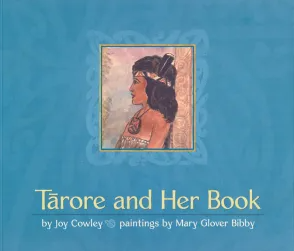
In 1835, The Bible Society published 100 copies of the Gospel of Luke in the Maori language, and the next year, a missionary, at a mission school in Matamata, gave one of those copies to a 12 year old girl named Tarore who studied there.
Tarore was the daughter of Waikato’s Ngati Haua chief Ngakuku, and Tarore would read her book to her father. Tarore kept her treasured book in a kete (a woven bag made of flax), and under her pillow. One night while camping in the Kaimai Ranges, members of the neighbouring Arawa tribe from Rotorua attacked Tarore’s camp, pillaging what they could find and killing Tarore in her sleep. Her attacker took Tarore’s book believing it may be tradable but, unable to read, discarded it until a visiting boy who was literate read the book to the tribe. The message of peace in the Gospel of Luke convicted Tarore’s attacker, the Arawa tribe chief Uita, and he became a Christian.
The Rotorua chief sought out Tarore’s father to beg for forgiveness. Tarore’s father Ngakuku, who had chosen to trust in God’s justice rather than seek revenge, forgave Uita, and this marked the beginning of reconciliation between the previously warring tribes.
The visiting boy Ripahau, who read the book to the Rotorua tribe, was later invited to read the book to the son of the Ngati Toa chief, who also became a Christian, later taking the book to the South Island for the very first time.
A few years later, visiting missionaries to the South Island arrived to find Maori Christians who could read and write and knew the Gospel of Luke. This most remarkable transformation from warring enemies to peaceful Christians is a compelling testimony to the power of the Gospel, which all started with a very special young girl named Tarore.